
DCG Technical Solutions
Since-1993 LA MSP that operates its own data centers
Cloud MigrationIT Consulting & vCIOIT Support & HelpdeskData Center & ColocationCybersecurity
New listingDowntown LA · Central
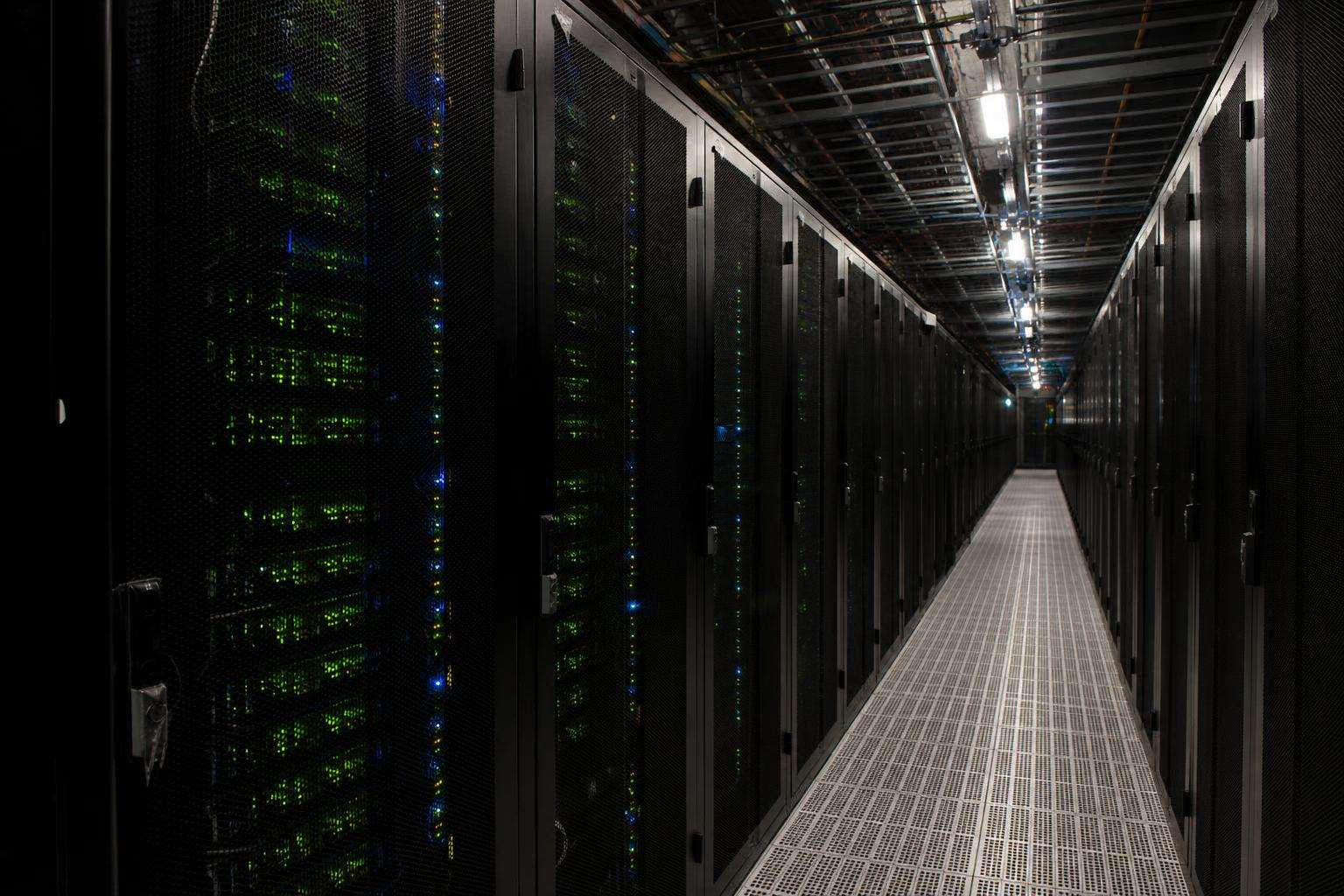
Los Angeles is one of the largest data center markets in the US, anchored by One Wilshire (the primary interconnect hub for the Pacific Rim), the Coresite and Equinix campuses, and multiple large facilities in El Segundo, Downtown, and the Inland Empire (Chino, Ontario, and Rancho Cucamonga edge of the LA metro). Colocation is still the right answer for many LA businesses — regulated industries, latency-sensitive workloads, hybrid architectures, and firms with existing capex investments in hardware.
Power density (kW/rack), pricing structure (metered vs. flat power), cross-connect fees, remote-hands rates, and diversity of network carriers on-site. Some LA facilities charge more but sit at critical interconnect points; others are cheaper but limit your network options.
| Item | Typical price |
|---|---|
| Quarter cabinet (5–10 U, ~2 kW) | $650–$1,400/month |
| Half cabinet (~4 kW) | $1,100–$2,300/month |
| Full cabinet (~7–10 kW) | $1,600–$4,500/month |
| Higher-density cabinet (15+ kW) | $3,500–$9,000/month |
| Cross-connect (per port/month) | $150–$400 |
| Remote hands | $195–$350/hour (2-hour minimum common) |
| Setup fees | Often $500–$3,500 one-time |
Since-1993 LA MSP that operates its own data centers
Cloud is usually the right default in 2026. Colocation still wins for: legacy licensing (per-core Oracle), regulated workloads, extreme predictability of cost, and latency-sensitive interconnect at hubs like One Wilshire.
The main options: Coresite (LA1, LA2, LA3), Equinix (LA1–LA5), Digital Realty, DataBank, and Flexential. One Wilshire itself is the primary carrier hotel. El Segundo, Downtown, and Chino/Ontario have the largest footprints.
A building where multiple ISPs and networks terminate and interconnect. One Wilshire in Downtown LA is the largest on the West Coast — critical for any business needing low-latency Pacific Rim connectivity.
For anything customer-facing or revenue-critical, yes. All LA Tier III/IV facilities offer N+1 or 2N power and cooling. Verify your provider's SLA and outage history.
A cross-connect is a physical cable between your cabinet and another cabinet or carrier in the same facility. They're how you connect to your ISP, to AWS Direct Connect, or to another company's infrastructure. Fees are recurring — watch this cost.
Yes — AWS Direct Connect and Azure ExpressRoute both have LA locations. Sub-5 ms round-trip from your colo cage to your cloud VPC is achievable.
Facility staff performing physical work in your cabinet on your behalf — power-cycling a server, swapping a hard drive, running a cable. Billed hourly, usually with a 30-minute or 1-hour minimum.
Typical: 24–60 months. Shorter terms (12 months) are available at a premium. Longer terms usually earn material discounts on both space and power.
Tell us about your needs — we'll connect you with 2–3 vetted providers.